
More space does not always mean a new address. For many Huntington Beach and Costa Mesa homeowners, the better answer is already on the lot: a backyard that can hold a separate unit, or a side of the house with room to extend. Just Perfect Renovation Inc
builds accessory dwelling units and room additions, and handles the plumbing, electrical, and interior work that turns a new structure into a usable living space.
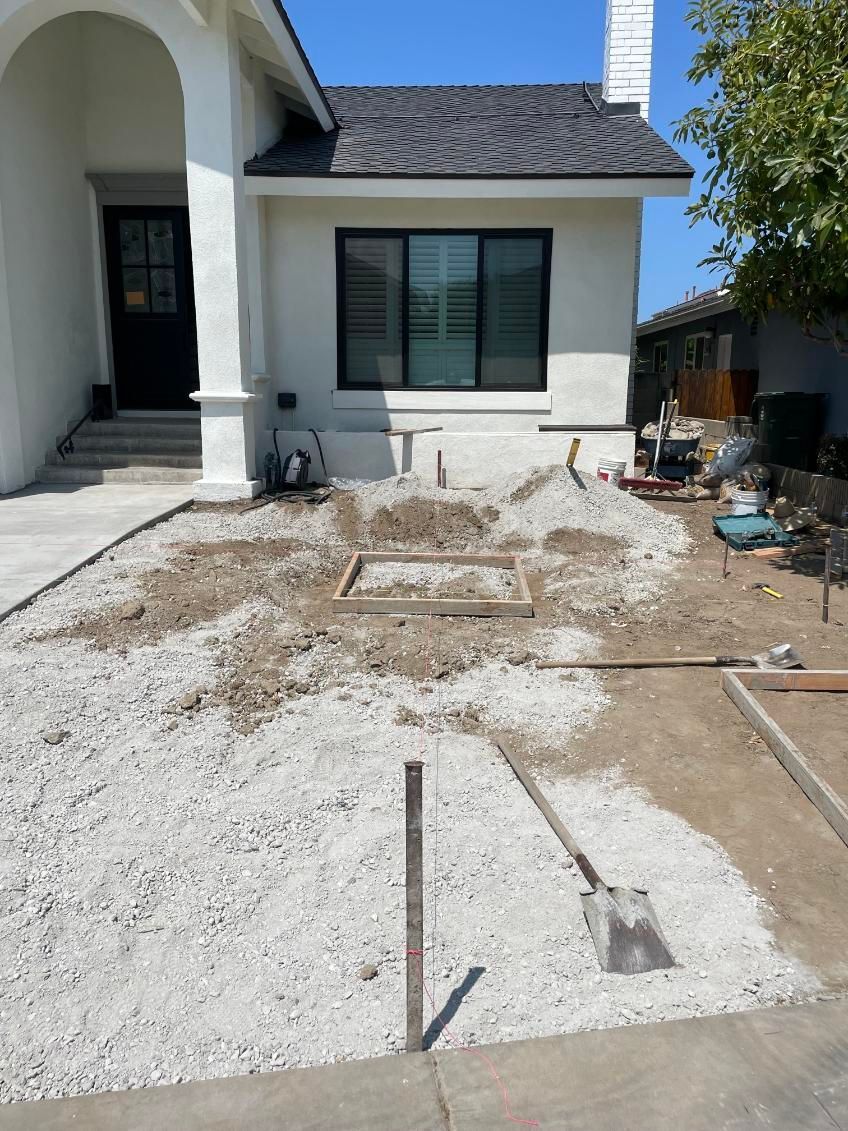
Two Ways to Add Space
Both options add square footage. They solve different problems, and the right one depends on who will use the space and how.
01
Accessory Dwelling Units
An ADU is a complete, independent living unit on the same property as the main home. It has its own entrance, and it is built to be lived in on its own. Homeowners build them for aging parents, for adult children, for rental income, or as a work space far enough from the house to feel separate. A detached unit stands apart in the yard. An attached unit shares a wall with the main house but still functions independently.
02
Room Additions
A room addition extends the existing house. It might be a bedroom for a growing family, a larger living area, or a primary suite with its own bathroom. Unlike an ADU, an addition becomes part of the main home: same entry, same kitchen, same household. When the goal is a bigger house rather than a second residence, an addition is usually the fit.
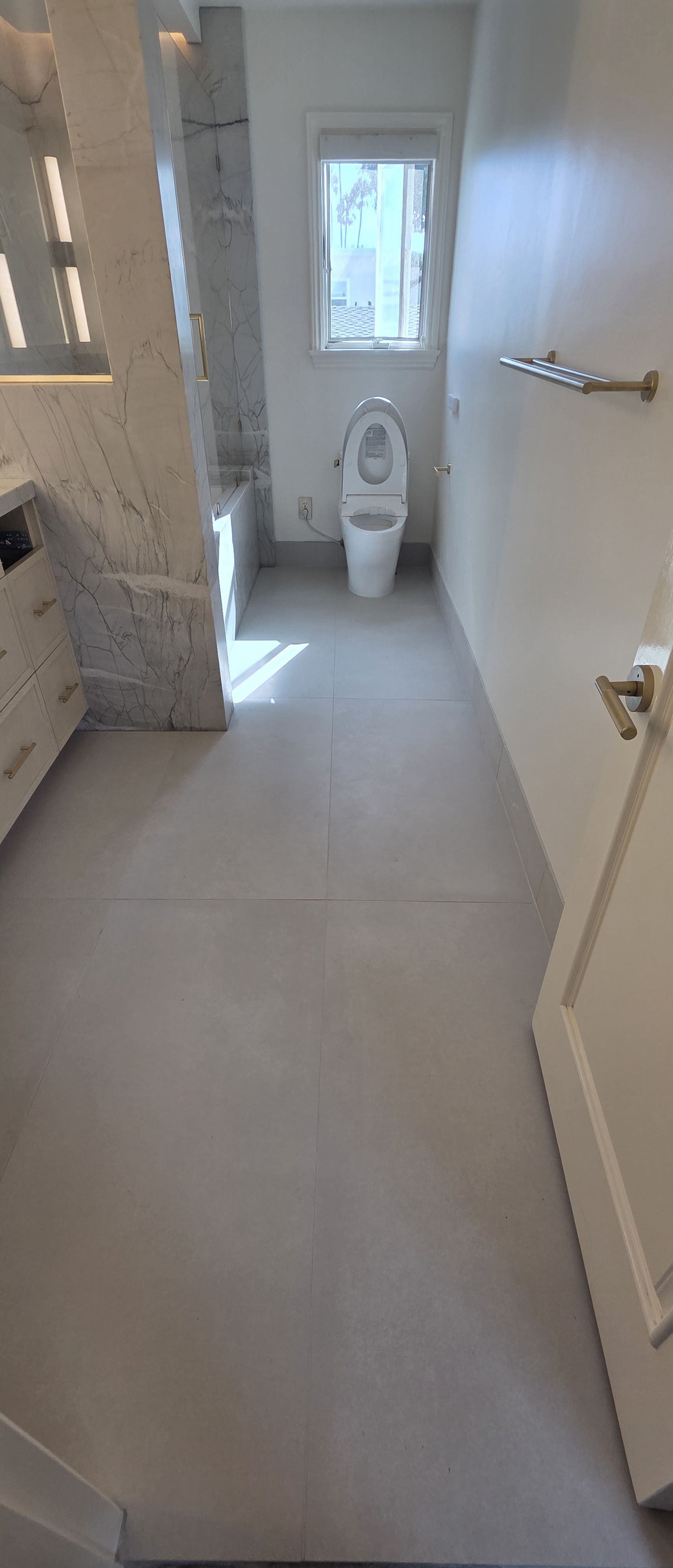
What Goes Into the Build
New construction draws on nearly every trade at once. A foundation or slab comes first, which is where concrete work enters the project. Walls and a roof follow. Then come the systems people rarely see but depend on every day: water supply and drain lines, sewer connection, wiring, lighting, and outlets.
Because Just Perfect Renovation offers plumbing and electrical services directly, those systems are not handed off to a separate company partway through. The same holds for the interior. Drywall, flooring, fixtures, and paint finish the space, and an ADU with a full kitchen involves the same cabinet, counter, and appliance decisions as any kitchen remodeling project.
Keeping these stages under one company makes scheduling simpler. It also makes accountability simple: if something about the finished unit is not right, there is one place to call.
Planning Your Project
A few early decisions shape everything after them.
How will the space be used?
A rental unit and a home office have very different requirements for kitchens, bathrooms, and privacy.
Where on the lot does it fit?
Yard size, existing structures, trees, and access for construction all affect placement.
What connects it to the house?
Utility lines need a route from the main home or the street. A detached unit also needs a walkway, and often some yard restoration once construction wraps up.
Bring whatever you already know to the first conversation: a rough sketch, photos of the yard, or simply a sense of who will live or work in the new space. From there, the project can take shape around your property instead of a generic floor plan.
Serving Huntington Beach, Costa Mesa, and Nearby Cities
New space projects come from across the area, and properties in Orange, Tustin, and Fountain Valley are close enough to call about. Lot sizes and layouts vary from one neighborhood to the next, so each project starts with the property itself. To see the other work available, from repairs to full remodels, visit the Just Perfect Renovation Inc homepage.
Frequently Asked Questions
What is the difference between an ADU and a room addition?
An ADU is a self-contained living unit with its own entrance, kitchen, and bathroom, so someone can live there independently of the main house. A room addition extends the main house and shares its kitchen, entry, and living areas. Which one to build comes down to whether the new space is for a separate household or for the household already living there.
Do ADUs and additions require a permit in Huntington Beach and Costa Mesa?
Yes. Both require a building permit from the City Huntington Beach and Costa Mesa before construction begins. The process involves submitting plans for review, and the work is then inspected at set stages, typically including the foundation, framing, rough plumbing and electrical, and a final inspection before the space can be occupied.
Can an ADU be attached to my house?
It can. An ADU can be detached and freestanding in the yard, or attached and sharing a wall with the main home. An attached unit still needs its own entrance and its own living facilities to qualify as an ADU rather than an addition.
Will I be able to stay in my home during construction?
In most cases, yes. A detached ADU is built almost entirely outside the main house, so daily life inside continues normally. A room addition is different at one stage: when the new structure is tied into the existing house, an exterior wall is opened, and the rooms closest to that wall are affected for that part of the work.
What utilities does a new unit need?
A livable ADU needs water supply, a sewer or drain connection, and electrical service. Adding a unit often means checking whether the existing electrical panel has enough capacity, since a second kitchen and bathroom add significant load. Where it does not, a panel upgrade or a new subpanel is part of the project.