A yard in Southern California can be used almost every month of the year, yet many sit as bare lawn, patchy ground cover, or leftover space nobody steps into. Landscaping turns that ground into somewhere worth spending time. Just Perfect Renovation Inc
provides landscaping in Huntington Beach and Costa Mesa, including plantings, raised planters, fire pits, and the connections between greenery and the concrete or stone around it.
Planting for a Dry, Mild Climate
Huntington Beach and Costa Mesa has warm, dry summers and mild winters with most of the year's rain falling in a few months. Plants that thrive here are the ones adapted to that pattern. Native shrubs, sages, ornamental grasses, and succulents handle long dry stretches once established, and they stay attractive with far less water than a traditional lawn.
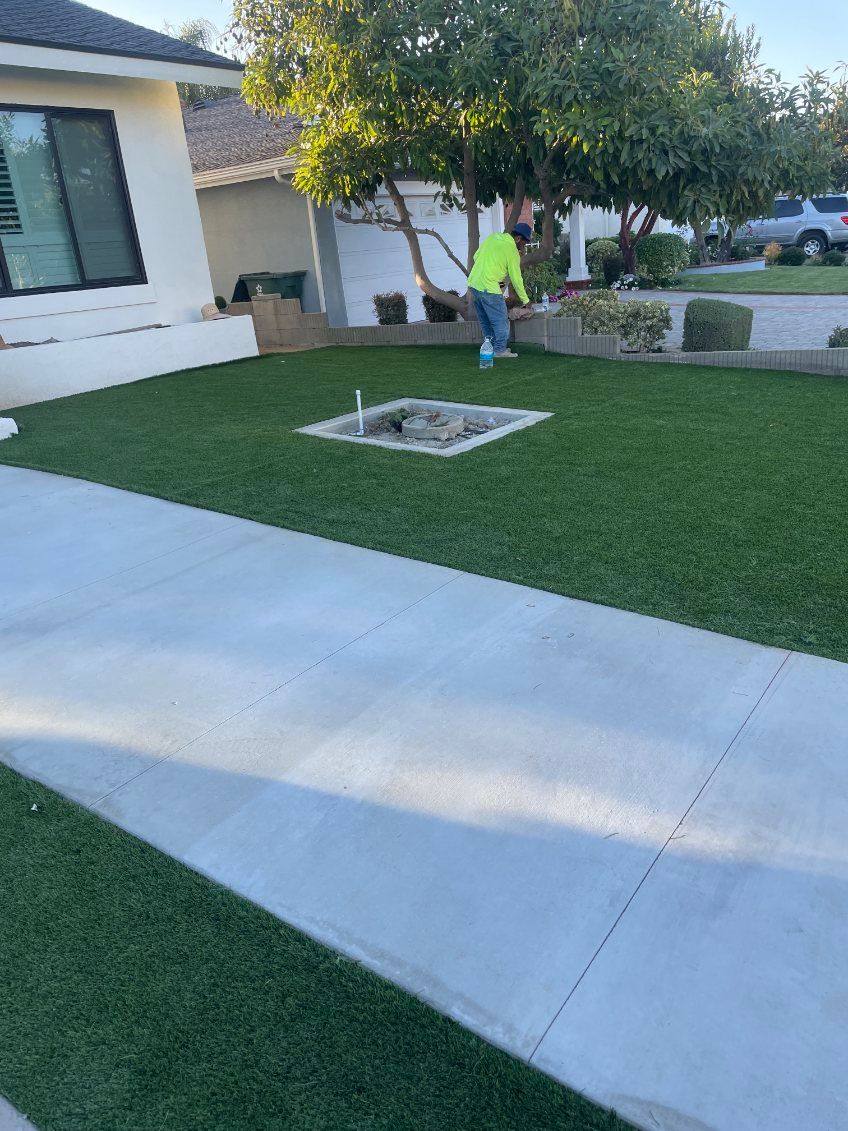
That does not mean giving up green space. Many yards keep a smaller lawn where children or pets actually play and use lower-water plantings everywhere else. Grouping plants with similar water needs in the same beds makes the whole yard easier to maintain.
Built Features That Anchor a Yard
Raised Planters
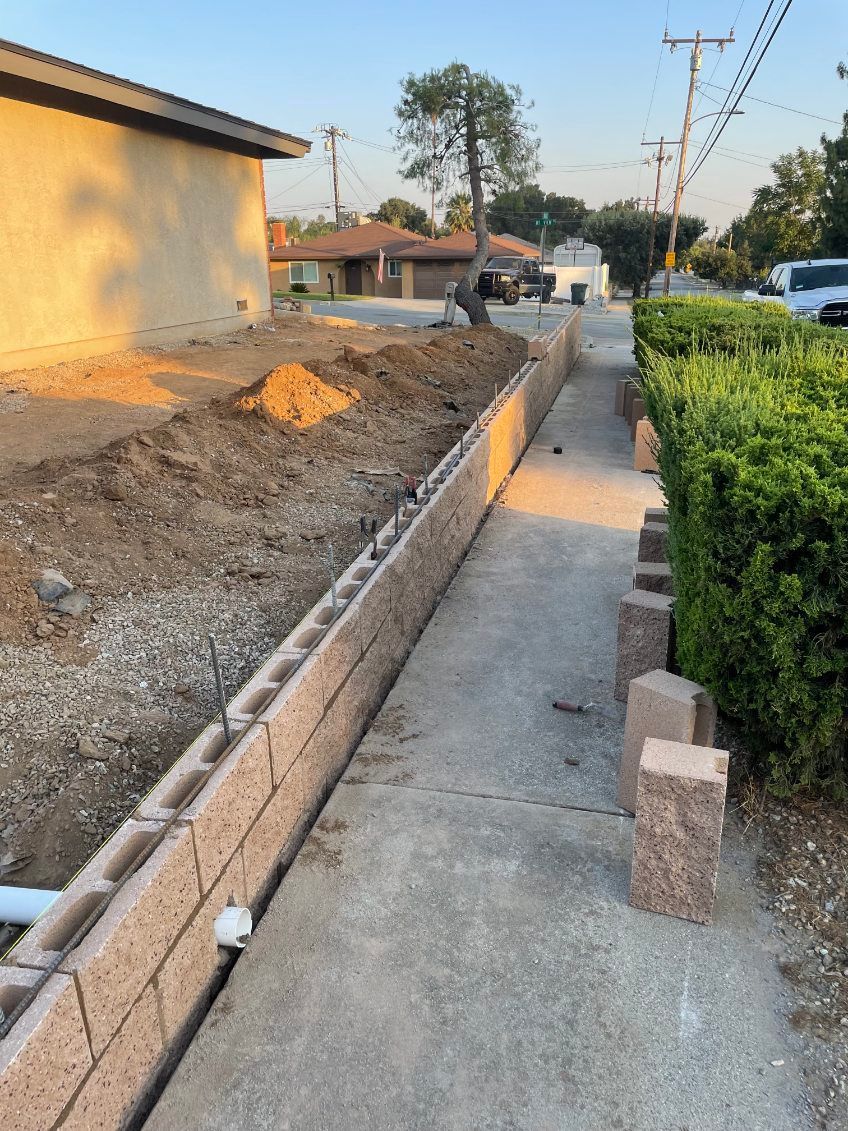
Raised planters give a garden structure and height. They make vegetable and herb beds easier to tend without kneeling, keep soil contained neatly, and define edges along patios and walkways. Planters built from block, stone, or concrete hold up to sun and watering far longer than wood, and they can double as low seating walls around an outdoor gathering area.
Fire Pits
A fire pit gives a patio a focal point and extends outdoor evenings into the cooler months. Fire pits can be built in place from block or stone to match the surrounding hardscape, and they can be designed for wood or for gas. Placement matters: the pit needs clearance from the house, fences, and overhanging trees, along with enough room for seating around it.
Joining Plants and Hardscape
The best yards treat hardscape and plantings as one design. Patios, paths, and walls set the layout, and plants soften the edges. Because Just Perfect Renovation Inc
also handles
concrete and masonry work, a new patio, the planters around it, and the beds that frame it can be planned together rather than fitted around each other after the fact.
Finishing the Yard After Construction
Building projects often leave the yard torn up. Equipment access, trenching for utility lines, and staging materials disturb soil and plants. After an
ADU or home addition is built, landscaping restores the ground around it and ties the new structure into the rest of the property, with paths, plantings, and screening that make it feel as though it was always there.
Landscaping Around Huntington Beach and Costa Mesa
Landscaping projects are available throughout Huntington Beach and Costa Mesa, as well as nearby cities such as Orange, Anaheim, and Garden Grove.For indoor projects, repairs, and remodels, see the Just Perfect Renovation Inc services page.
Frequently Asked Questions
What plants grow well in Huntington Beach and Costa Mesa's climate?
Huntington Beach and Costa Mesa has a Mediterranean climate, with dry summers and most rain falling in winter. Plants adapted to those conditions do best once established, including California natives like ceanothus, manzanita, and native sages, along with succulents, lavender, rosemary, and ornamental grasses. These need far less summer water than turf grass or tropical plants.
Should I choose a gas or wood-burning fire pit?
Gas fire pits light with a switch or valve, produce no smoke or ash, and need a gas line run to the location. Wood-burning pits deliver a traditional fire and crackle but create smoke and require cleanup. In Southern California, the regional air quality district declares no-burn days that can restrict wood burning, while gas units are not affected by those restrictions.
How far should a fire pit be from the house?
A common guideline is at least 10 feet from the house, fences, and other structures, with no overhanging tree branches above. Local fire rules and homeowner association requirements may set different distances, so it is worth confirming before choosing a spot. Seating space around the pit also needs planning so people are not too close to the flames.
What is the best material for raised planters?
Block, stone, and poured concrete planters last the longest because they do not rot from constant watering. Wood planters cost less up front but break down over time where soil and moisture sit against them. Whatever the material, a planter needs drainage at the bottom so water does not pool and drown the roots.
How can I cut the water my yard uses?
Three steps make the biggest difference. Group plants by their water needs so thirsty plants and drought-tolerant ones are not watered on the same schedule. Spread 2 to 3 inches of mulch over beds to hold moisture in the soil. Use drip irrigation for shrubs and planters, which delivers water to the roots instead of spraying it into the air.