Concrete and masonry outlast nearly everything else on a property, but only when the work beneath the surface is done right. A patio that cracks within a few seasons or a walkway that heaves along a tree line usually started with a weak base or a missing joint. Just Perfect Renovation Inc
handles concrete work and masonry in Huntington Beach and Costa Mesa, from new slabs and walkways to block walls and stone accents.
Concrete Around the Home
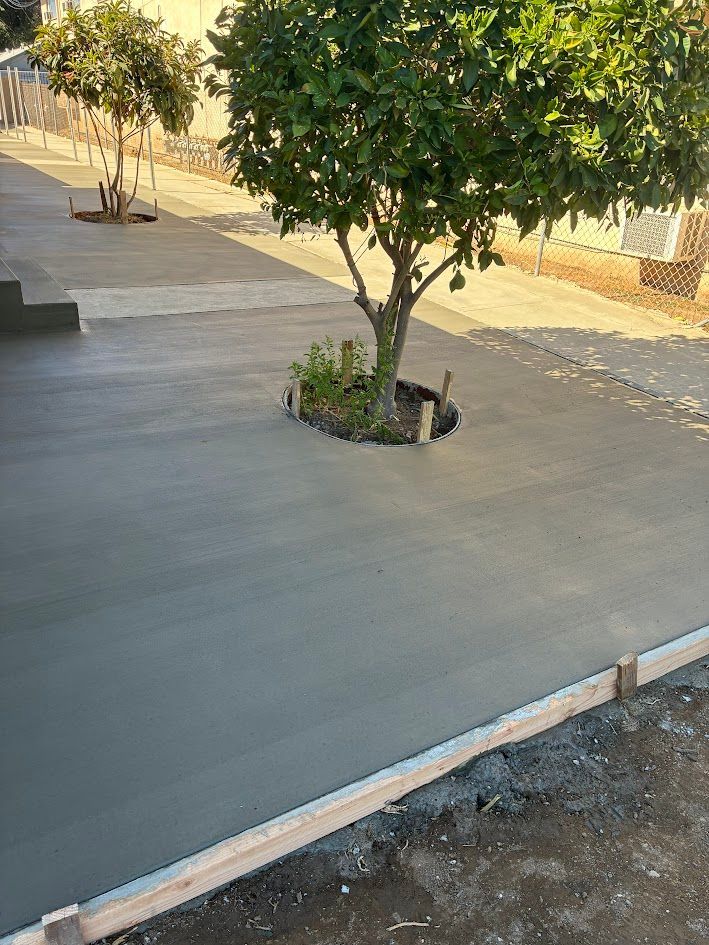
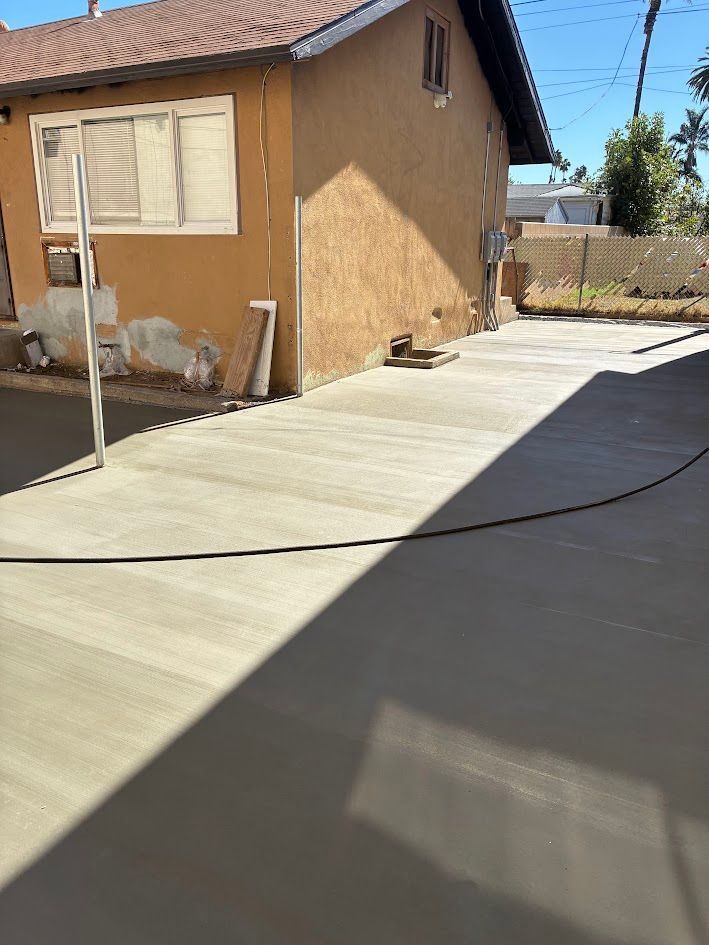
Most residential concrete falls into a few categories. Driveways carry vehicle weight and need thickness and reinforcement to match. Walkways and steps connect the street, the front door, and the backyard. Patios extend living space outdoors and often become the base for seating, a dining area, or a fire feature. Slabs serve as foundations for sheds, equipment pads, and new structures.
Replacement is just as common as new work. Cracked, sunken, or stained sections can be broken out and repoured, and a tired surface can be replaced with a finish that suits the home better. A broom finish adds traction for walkways and driveways, while decorative finishes give patios more character.
Plumbing and Electrical
Masonry: Block, Brick, and Stone
Masonry adds structure and texture that poured concrete cannot. Block walls define property lines, provide privacy, and retain soil where a yard changes elevation. Brick and stone work brings a finished look to garden walls, steps, columns, and borders. Stone veneer can dress up an existing wall or the base of a structure without the weight of full stone.
Masonry also pairs naturally with landscaping. Raised planters built from block or stone hold soil cleanly and add height to a garden layout, and they last far longer than wood boxes exposed to sprinklers.
What Makes Concrete Last
The visible surface is the final step. The work that determines its lifespan happens before the pour.
The ground is excavated and compacted, and a gravel base is laid and compacted again so the slab rests on a stable, well-draining layer. Reinforcement in the form of rebar or wire mesh holds the concrete together under load and temperature changes. Forms set the shape and slope so water drains away from the house instead of pooling.
After the pour, control joints are cut or tooled into the surface. They look like simple lines, but they give the concrete a planned place to crack as it shrinks. Curing comes last: keeping the concrete from drying too quickly during the first several days helps it reach full strength.
Concrete Projects in Huntington Beach, Costa Mesa and Nearby
Concrete and masonry projects are available throughout Huntington Beach and Costa Mesa, as well as nearby cities including Fountain Valley, Westminster, and Irvine. Hardscape often works best when planned with the softer parts of a yard, which is where landscaping services come in. For keeping existing concrete clean, pressure washing is available as part of our handyman services. See every service offered on the Just Perfect Renovation Inc home page.
Frequently Asked Questions
Why does concrete crack?
Concrete shrinks slightly as it cures, and that shrinkage causes cracking. Control joints are cut into the surface so those cracks form along straight, planned lines instead of random ones. Other causes include a poorly compacted base that settles unevenly, tree roots pushing up from below, and loads heavier than the slab was designed to carry.
Should damaged concrete be repaired or replaced?
Hairline cracks that are not shifting can be cleaned and sealed to keep water out. Sections that have sunk, heaved, or developed wide cracks with uneven edges are usually better replaced, especially where they create a trip hazard. Replacement typically stops at the nearest control joint, so only the damaged panel is removed instead of the whole slab.
How soon can I use new concrete?
Foot traffic is generally fine after 24 to 48 hours. Vehicles should usually stay off a new driveway for about 7 days. Concrete keeps gaining strength well beyond that, reaching its design strength at around 28 days, so heavy loads like trucks or equipment are best held off until then.
What finish options are there for concrete?
A broom finish is brushed while the concrete is still workable, leaving fine ridges that add traction. It is the standard for driveways, walkways, and pool decks. Stamped concrete is pressed with patterned mats to resemble stone, brick, or slate. Stained concrete adds color to the surface. Each finish affects slip resistance, maintenance, and appearance differently.
Does new concrete need to be sealed?
Sealing is optional but helpful, especially for driveways and patios. A sealer slows water absorption and helps resist oil and food stains. It should be applied only after the concrete has cured, commonly around 28 days after the pour. Most sealers need reapplication every few years, depending on traffic and sun exposure.